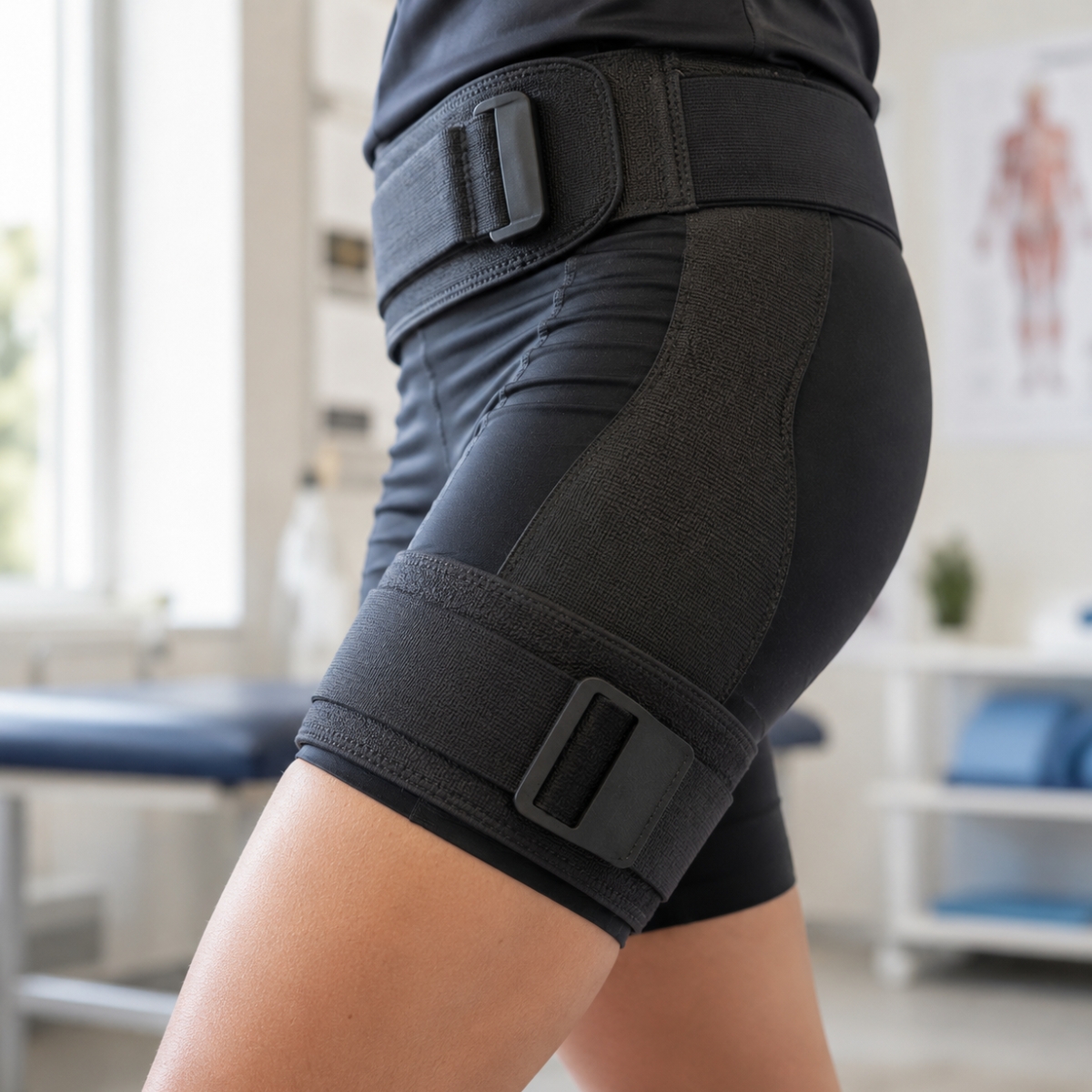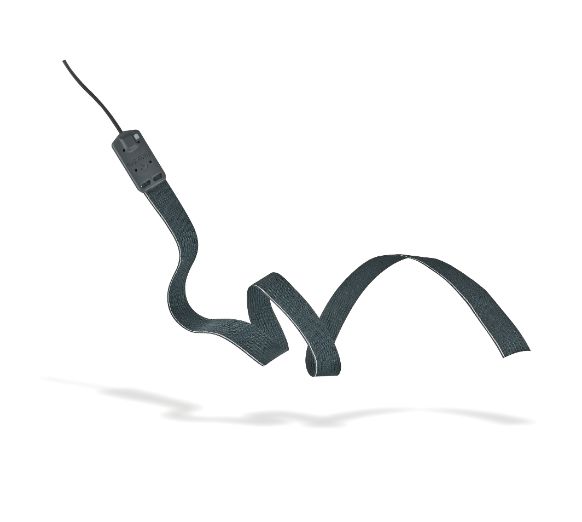

Measuring deformation, detecting pressure, maintaining temperature, conducting electrical current or transmitting data: these functions are becoming increasingly common in the design of innovative medical devices.
Designing a Medical Device Without Increasing Constraints
Each new function often requires the addition of extra components, connections or assembly steps. As the device becomes more complex, new challenges arise:
-Preserving patient comfort
-Limiting bulk
-Facilitating the integration of different functions
-Ensuring device reliability
-Preparing for industrialisation
Innovation is therefore just as much about integrating these functions efficiently as it is about developing them.
A Different Approach to Integration
Rather than systematically adding another component, certain functions can be integrated directly into the material that already makes up the device. Today, our smart textiles offer new possibilities for integration. Depending on the application's requirements, they can provide:
-Deformation detection
-Pressure detection
-Electrical conductivity
-Heating
-Data transmission
-....
The aim is not to replace every existing technology, but to offer a new way of designing certain medical devices when conventional approaches reach their limits.
Applications Across a Wide Range of Medical Devices
This approach can address many of the challenges encountered during the development of medical devices, including monitoring the progression of swelling through deformation measurement, detecting pressure points to improve patient comfort, maintaining temperature in a targeted area, and transmitting electrical power or data within a device.
Every project comes with its own set of constraints. The challenge is therefore to select the integration solution that best fits the intended application.