We all have a fairly simple image of personal protective equipment.
A hard hat, gloves, a high-visibility jacket. Equipment designed to protect, support and keep people safe. For a long time, that was enough.
The problem is that working environments have changed. Infrastructure has become more complex, risks have become less visible and working practices have become far more connected. Yet, in reality, most PPE has changed very little in recent years, and that is not really a question of quality, but rather a question of purpose.
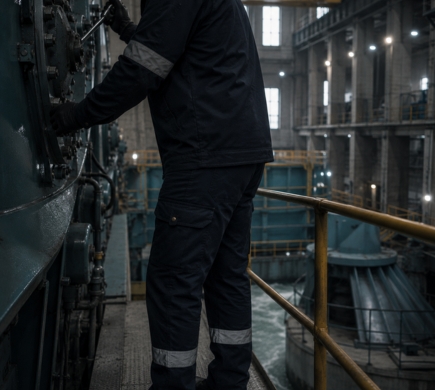
Today, equipment can no longer simply provide protection. It must also: detect, prevent, inform and, in some cases, interact...... And at our company, that is exactly how we approach the subject. Rather than adding devices around the equipment, we integrate functions directly into the textile to meet these new requirements.
In practical terms, this involves:
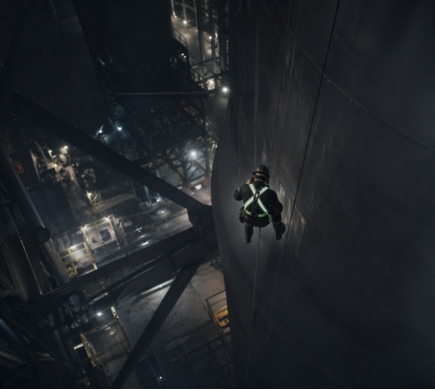
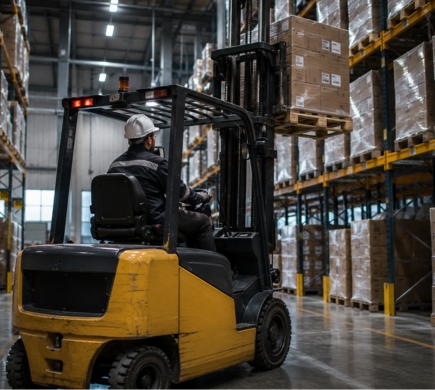
Detect a water leak when equipment is being used on sensitive infrastructure
Identify mechanical stress or a point of weakness on a harness
Monitor the wearer's physiological data (activity, fatigue, heart rate)
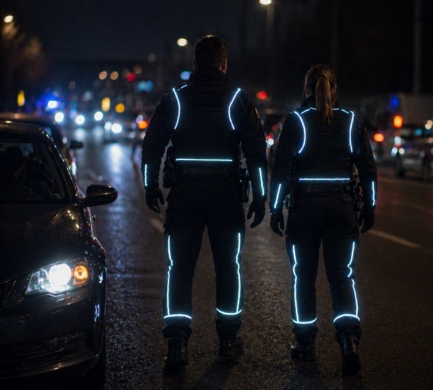
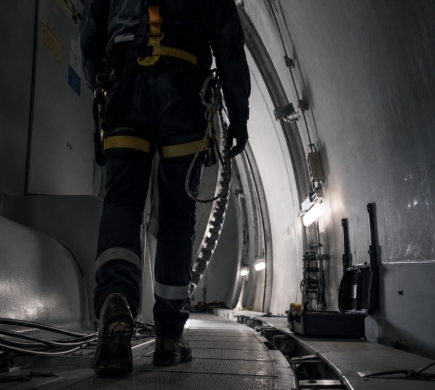
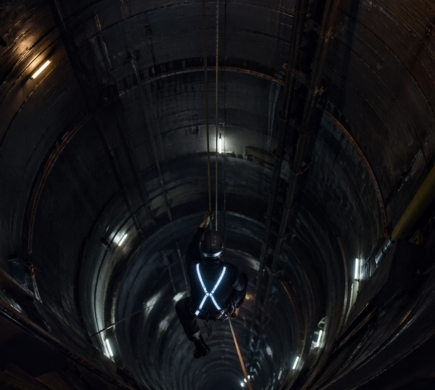
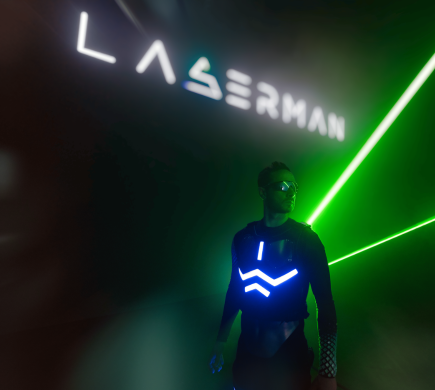
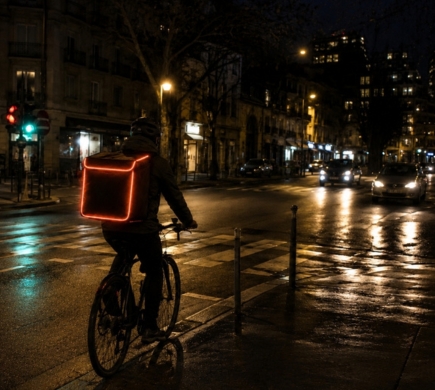
Integrate a lighting function to improve visibility or provide guidance in dark areas
Transmit information directly through the textile without adding rigid modules or additional layers
Detect a fall or abnormal event in order to automatically trigger an alert.
The challenge is no longer simply to "provide better protection", but to transform PPE into equipment capable of understanding its environment and responding to it.
To find out more, click here: