When we think about lighting, we often associate it with one simple purpose: providing light.However, across industries such as manufacturing, transport, architecture and technical equipment, lighting is not always designed to fulfil the same role. Some solutions are intended to illuminate a workspace, while others are designed to make equipment instantly recognisable, guide users through complex environments, or enhance the aesthetics and identity of a product.Behind the single word lighting lies a wide variety of very different requirements.This is precisely why there is no one-size-fits-all textile lighting solution. Instead, different approaches are needed, each engineered to meet a specific application and set of requirements.
Before choosing a lighting solution, define its purpose
When integrating a lighting function into a product or system, the first question is rarely:"How much light output do we need?"The more important question is:"What is this light meant to achieve?"The answer will vary depending on the application. Does it need to illuminate a maintenance area? Make equipment visible from a distance? Guide users through a low-light environment? Create a distinctive lighting signature for a product? Or reinforce the visual identity of a space or piece of equipment?Each of these objectives requires a different approach. A single lighting technology cannot address every need in the same way.At Eweave, this observation naturally led us to organise our textile lighting solutions into three distinct families, each designed to meet a specific application.
Bright: When Light Becomes a Working Tool
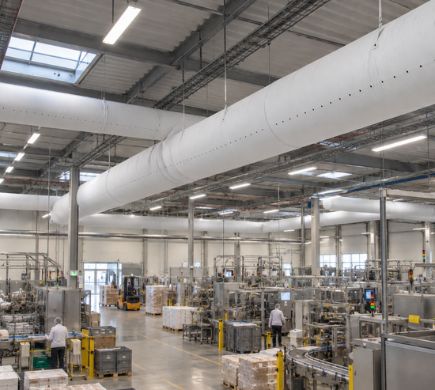
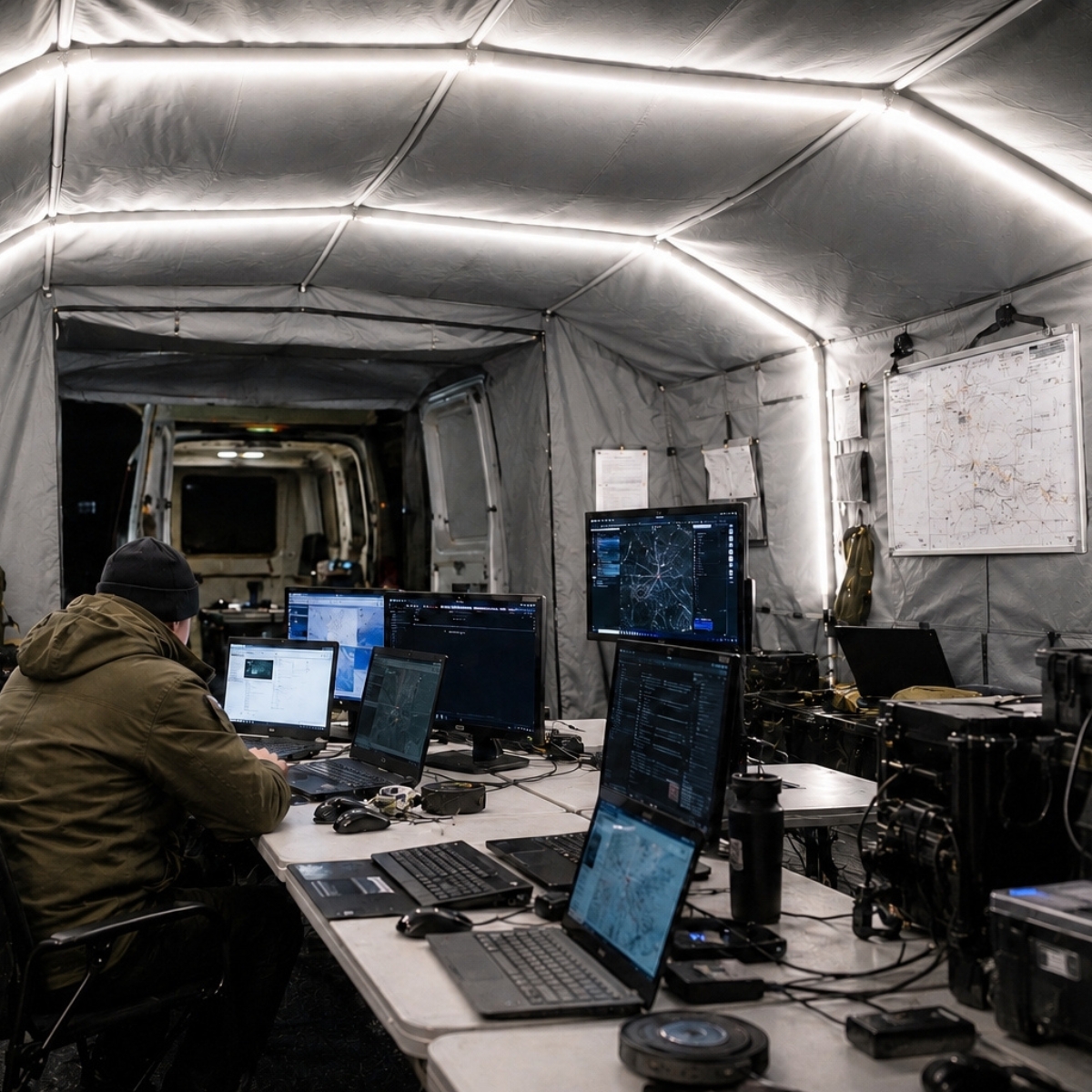
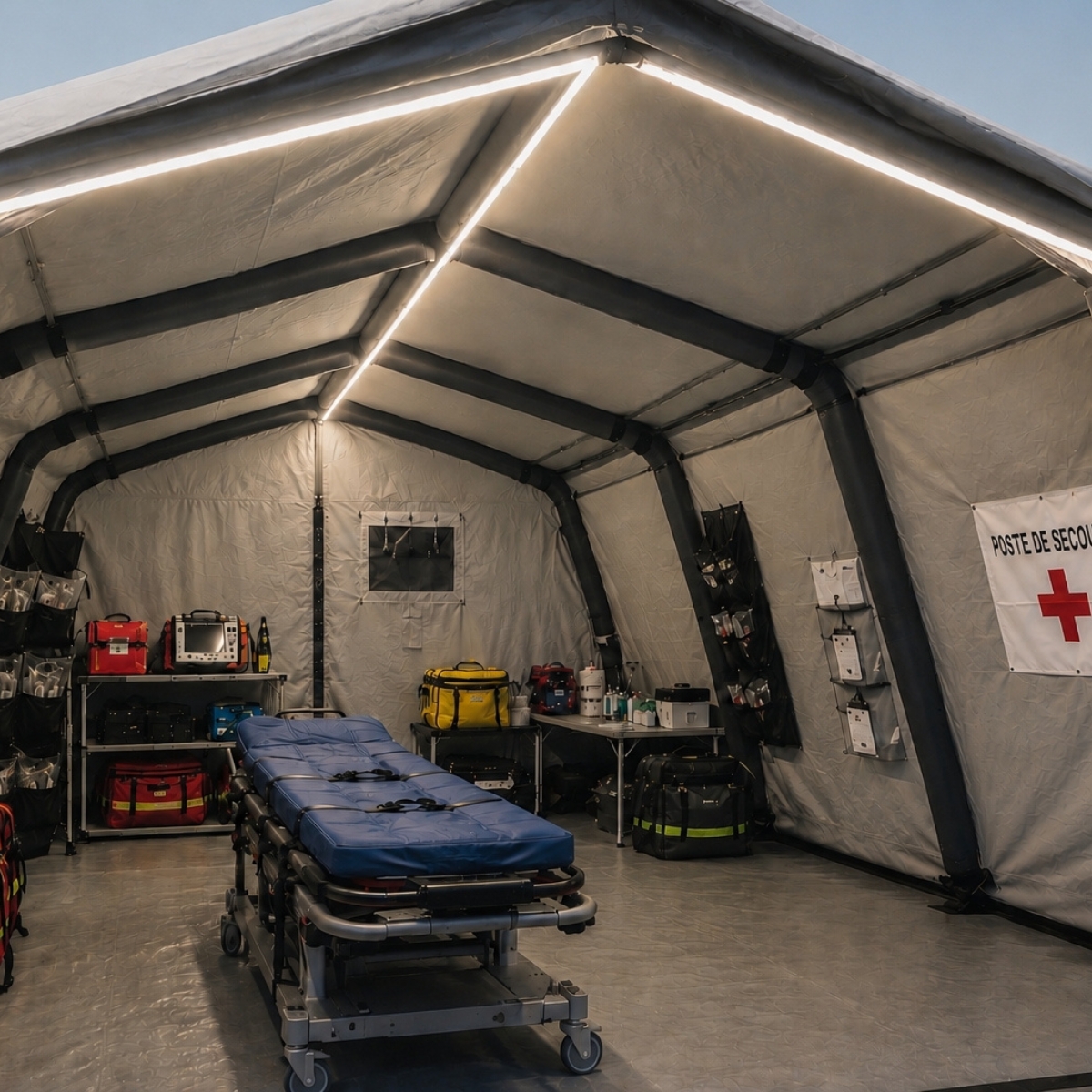
Some environments leave no room for compromise. In a workshop, an emergency vehicle, a technical facility or a maintenance area, lighting is first and foremost a tool that enables people to work safely and efficiently. It must be powerful, uniform, reliable and seamlessly integrated into its environment.That is exactly what Bright was designed for. Our high-intensity textile lighting solution delivers up to 2,000 lumens per metre, providing illumination comparable to that of an operating theatre. Thanks to the flexibility of the textile, the lighting can be integrated directly into a product or piece of equipment, even where installing a conventional luminaire would be difficult or impractical.
Typical applications ; Special-purpose and emergency vehicles, maintenance and service areas , technical furniture, industrial equipment
Products requiring integrated lighting
Visibility: When the Priority Is to Be Seen
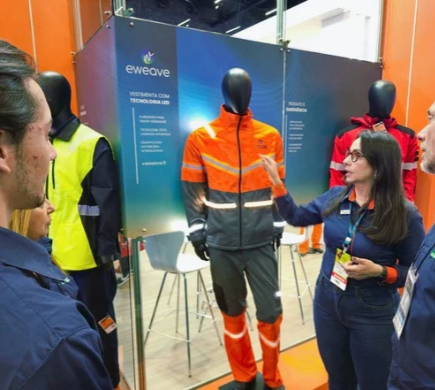
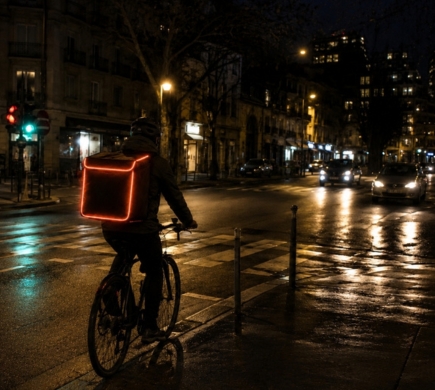
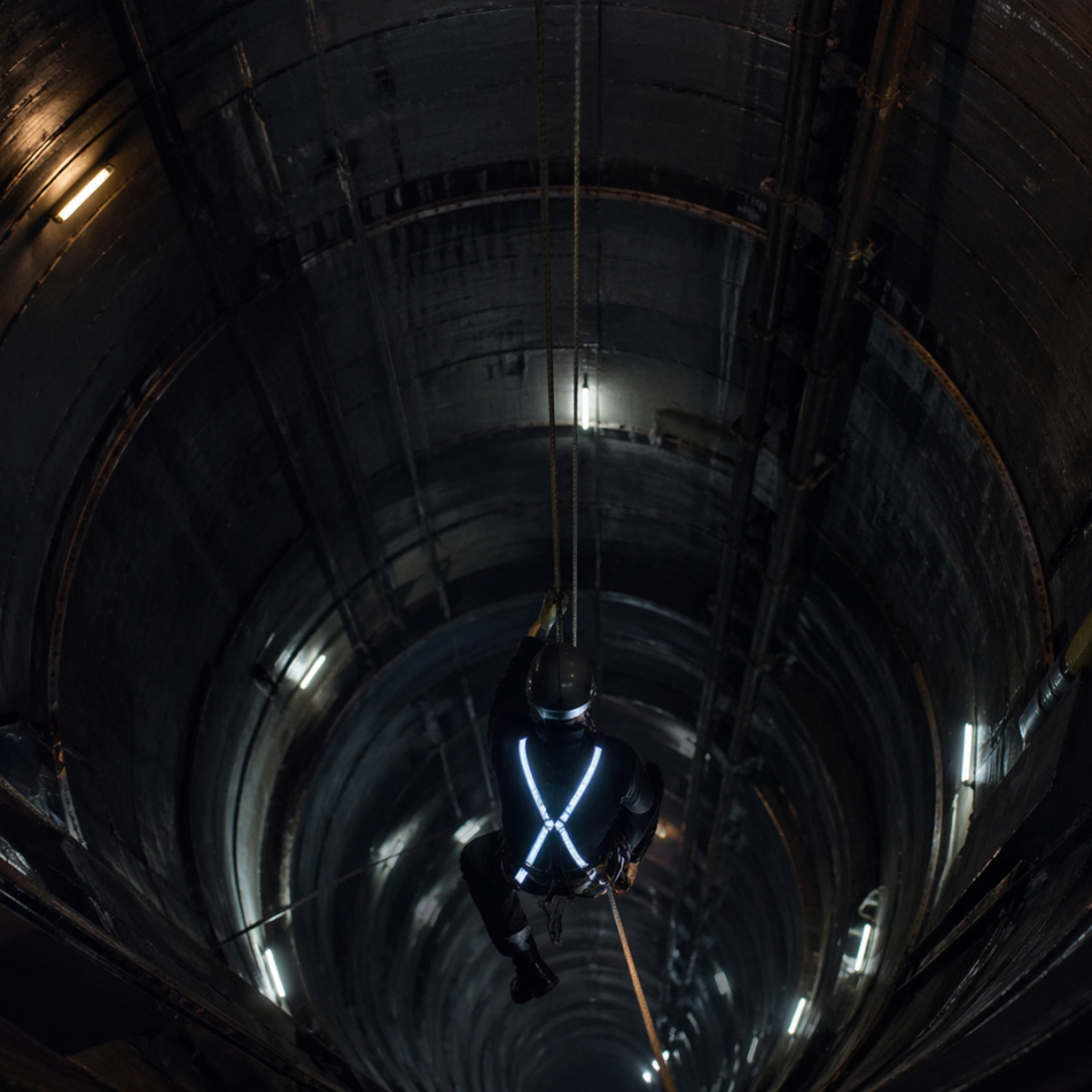
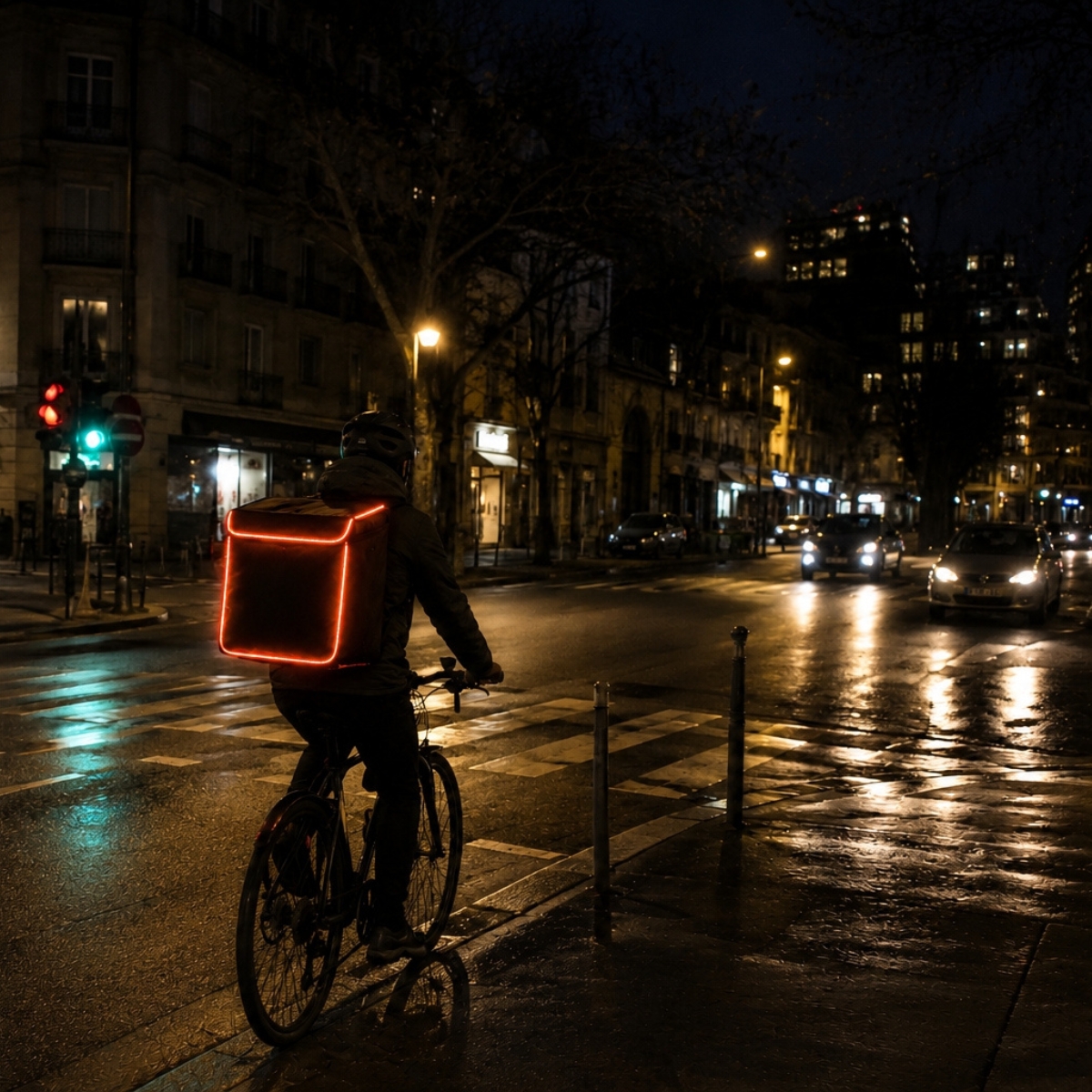
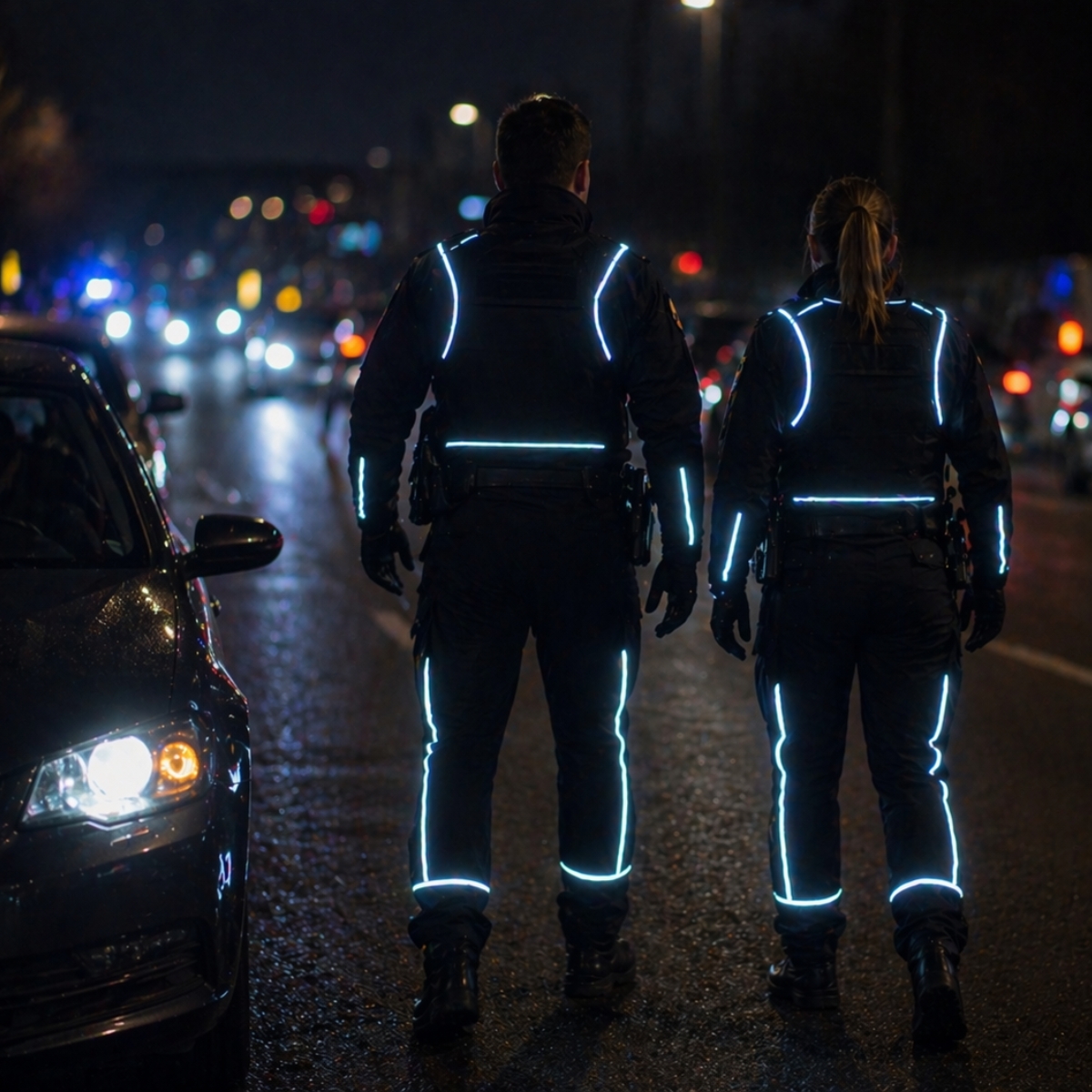
Not every lighting application is designed to illuminate. In many situations, the real objective is to ensure that a person, piece of equipment or area is immediately visible. A walkway, an emergency exit, a safety zone, a vehicle or even an individual all rely on clear visual identification.In these applications, light becomes a signalling tool rather than a source of illumination.That is precisely what Visibility was developed for. Visible from up to 1,000 metres in low-light conditions, our textile lighting solution enhances visual identification while retaining all the advantages of textile integration.
Typical applications ; Pedestrian guidance systems, Illuminated signage, safety equipment, industrial vehicles, maritime environments, personal protective equipment (PPE)
The goal is no longer simply to illuminate a space, but to communicate clear visual information instantly and effectively.
Design: When Light Becomes Part of the Product
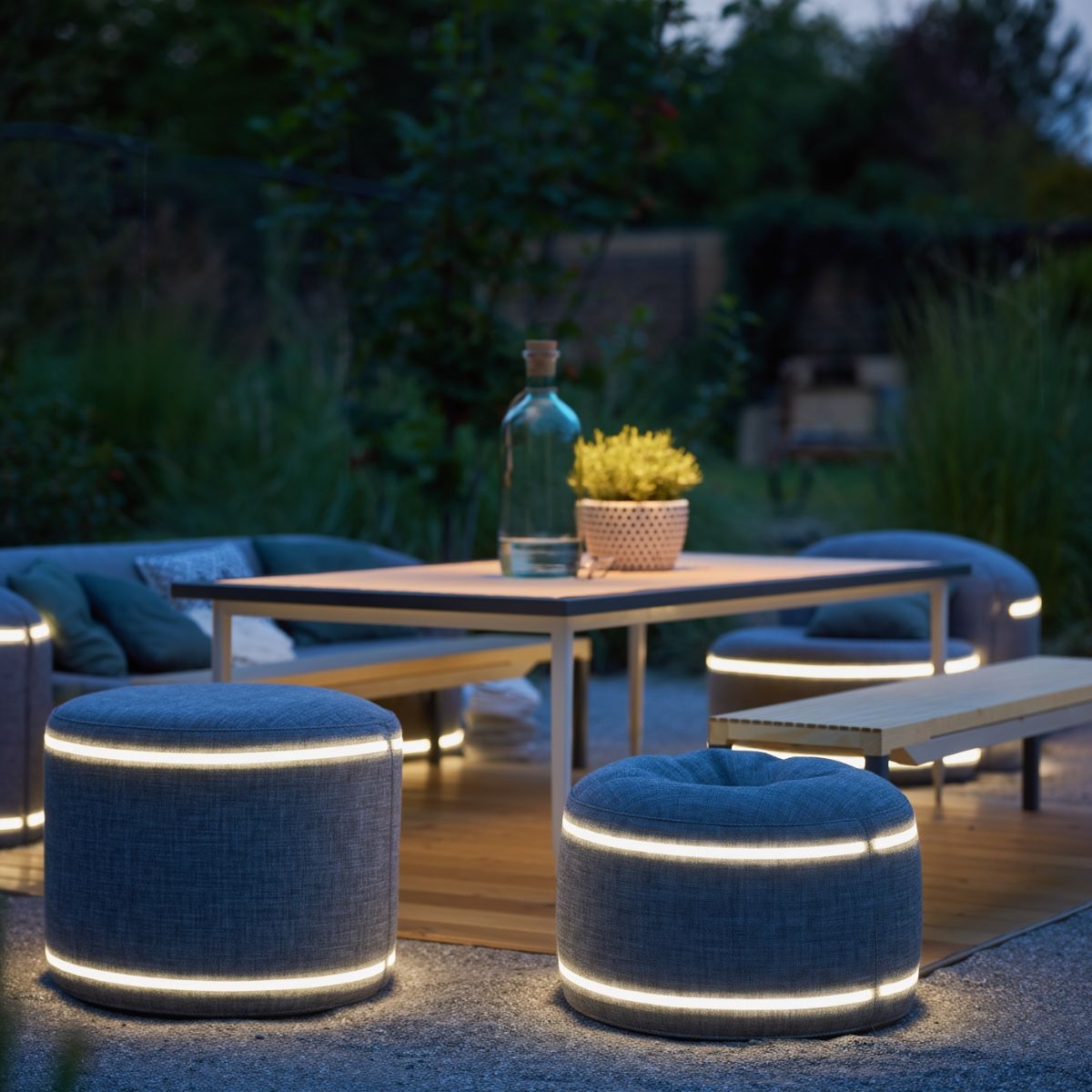
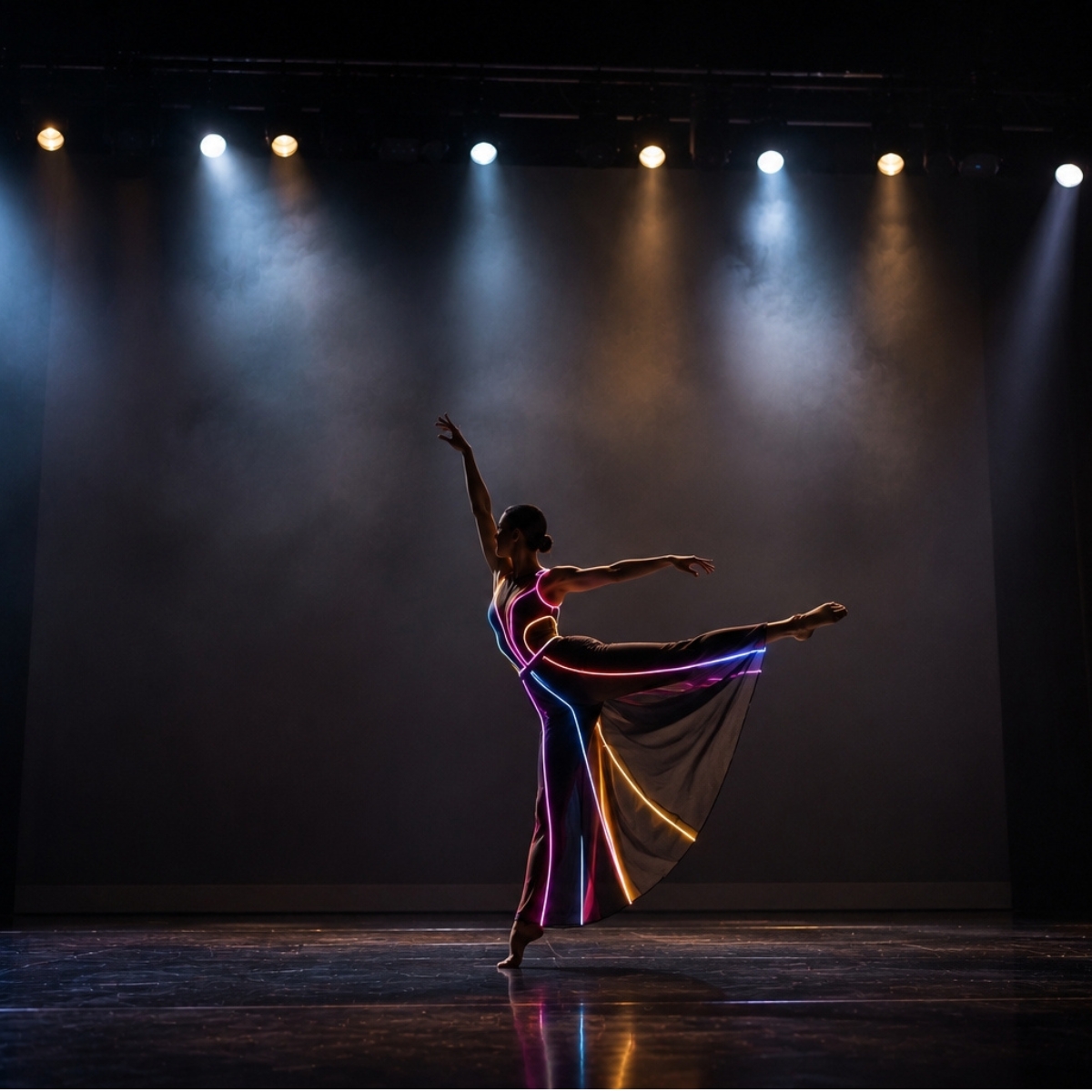
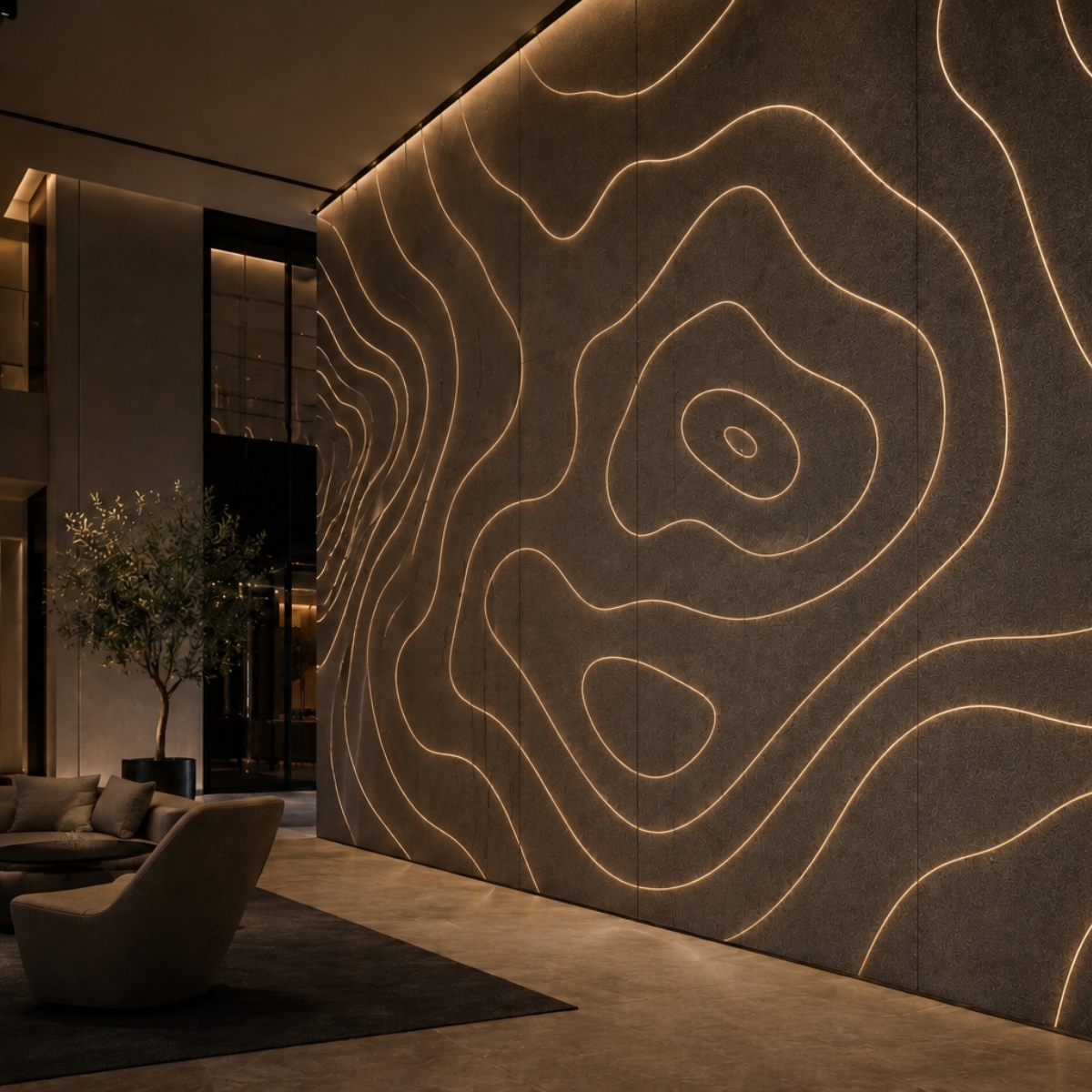
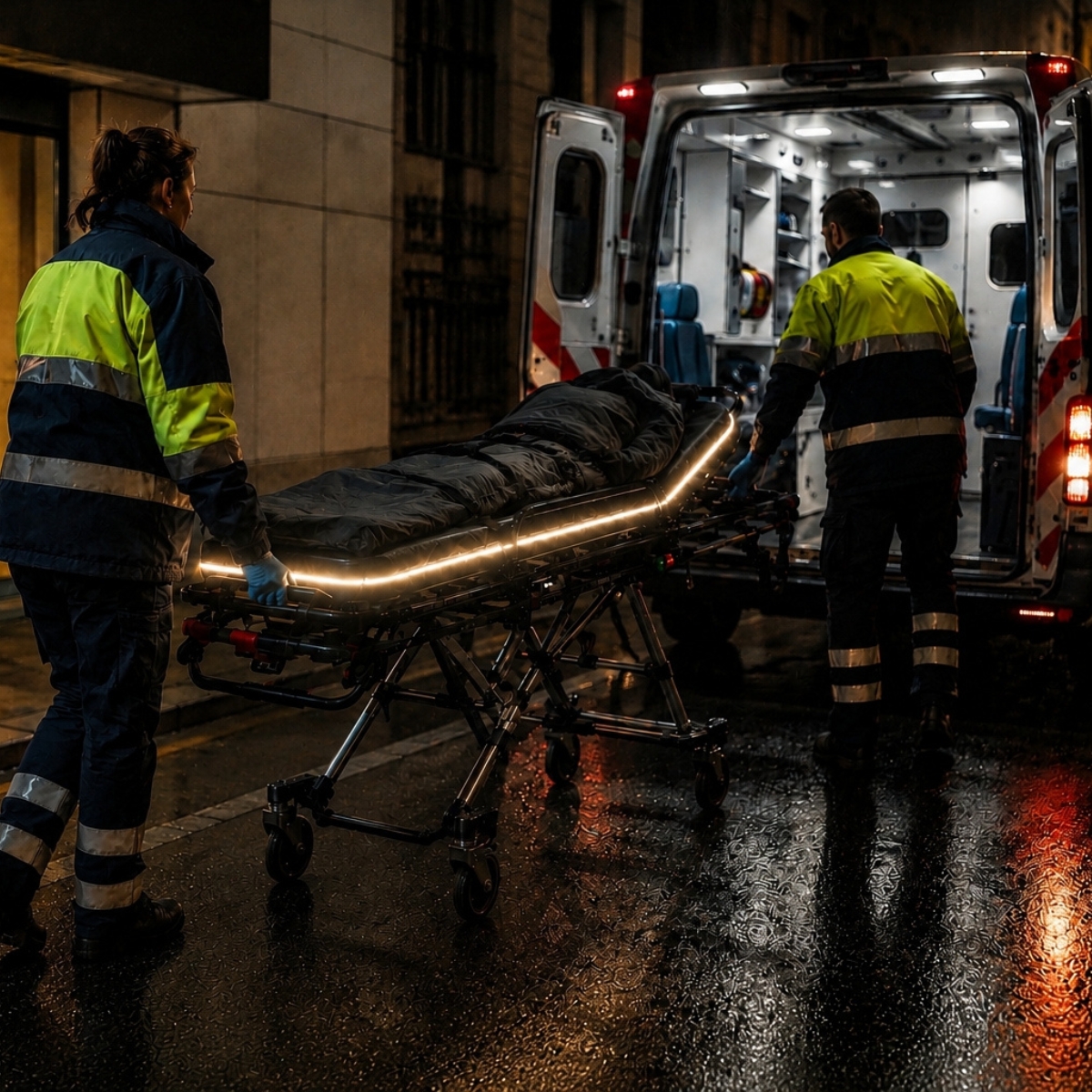
Light can also serve a very different purpose. It is no longer simply about seeing or being seen; it becomes an integral part of the product's identity. A light line can emphasise a shape, follow a contour, highlight a material or reinforce the perceived quality of a product.With Design, textile lighting becomes a genuine design feature.Its flexibility offers almost unlimited creative freedom, allowing illuminated lines to be seamlessly integrated into textiles without compromising the overall design of the product.
Typical applications ; Automotive, aerospace, furniture, architecture, retail, interior design, premium products.
Here, light goes beyond functionality. It becomes an essential part of the user experience.
One Technology, the Same High Standards
Whether the objective is to illuminate, guide or create a distinctive lighting signature, all our textile lighting solutions are built around the same engineering principles.They retain the inherent flexibility of textiles, with a minimum bending radius of 10 mm, allowing easy integration into a wide range of product geometries.They also withstand at least 100 washing cycles at 60°C while maintaining their performance, making them suitable for demanding environments where reliability is essential.