The term intelligent textile (or smart textile, e-textile, connected textile) is increasingly used in industry, construction, healthcare and transport.
But in concrete terms, what is an intelligent textile? How does a smart textile work? And above all, what is it actually used for in an industrial environment?
Let’s take a closer look.
An intelligent textile is a textile material capable of interacting with its environment. Unlike a conventional textile (even a technical one), it is not limited to passive properties such as resistance or waterproofing. A smart textile is capable of sensing information, transmitting data, reacting to a stimulus or triggering an action. In other words, it becomes an active functional surface.
The way an intelligent textile works is based on the integration of technologies directly into the material itself. This may include conductive fibres, integrated sensors, miniaturised electronic components or specific textile structures.
These elements allow the textile to:
>detect physical variations
>carry an electrical signal
>produce a response (light, heat, activation)
Sensor textiles make it possible to measure physical or physiological parameters. They can detect temperature, humidity, pressure, movement, heart rate, breathing, and more.
Concrete examples:
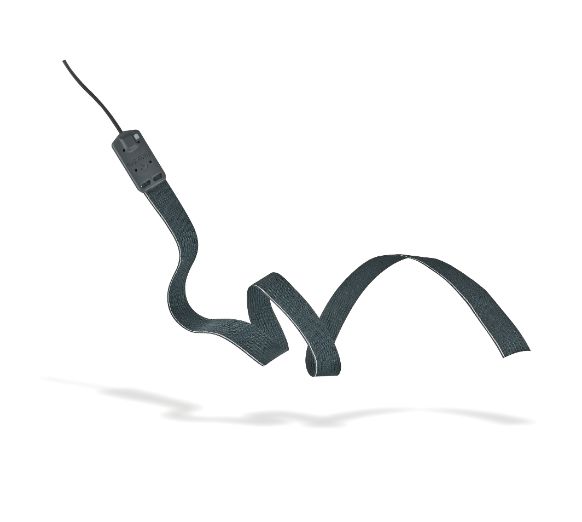
>heart rate monitoring belts
>garments with integrated electrodes
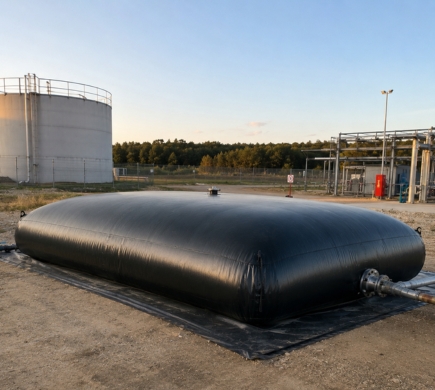
>textile surfaces capable of detecting a leak or mechanical stress
Active textiles (or actuator textiles) are capable of reacting to a stimulus. They can produce light, generate heat, vibrate, apply pressure, modify their behaviour, and more.
They are found in:
>illuminated garments
>heated textiles
>medical devices (compression, stimulation)
- Conductive textiles (energy and data transfer)
Conductive textiles make it possible to carry electricity or data directly through the material itself.
They incorporate:
>conductive yarns
>metallic fibres
>conductive inks
This makes it possible to connect sensors together, power embedded functions, and transmit data without rigid wiring:
>textile interfaces (seats, door panels, equipment)
>embedded systems in PPE
>integration of electronic functions into flexible surfaces
Applications of intelligent textiles
The applications of smart textiles are numerous. They are notably found in:
Industry and construction (structural monitoring, network protection, etc.), transport (intelligent seats, embedded systems, integrated textile interfaces, etc.), healthcare and sport (physiological monitoring, tracking, medical devices, etc.), professional equipment (data transmission, signalling, operator safety, etc.), and many others.